Why Roof Rats Flourish in Tree-Lined Neighborhoods and How to Secure Your Attic
Tree-lined streets provide roof rats with natural aerial pathways and steady food sources. Learn why mature neighborhoods attract these agile climbers and how to seal your attic against entry.
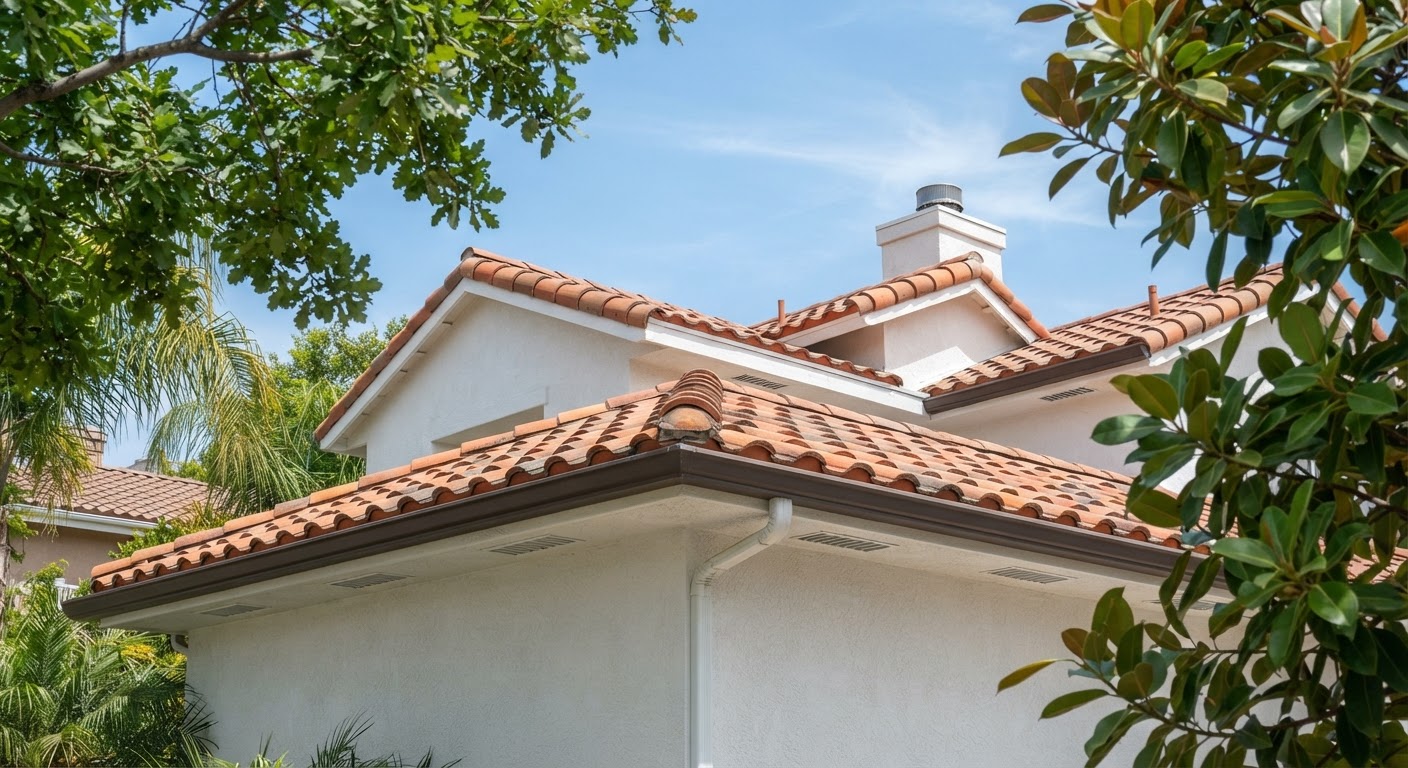
Neighborhoods shaded by mature trees offer classic architectural character, cooler street-level temperatures, and beautiful scenery. In places like Los Angeles, where historic residential pockets feature lush canopies of eucalyptus, oak, jacaranda, and tall palms, these green corridors also present an unintentional challenge: an ideal habitat for roof rats (Rattus rattus).
Unlike Norway rats, which prefer burrowing in the ground or hiding in basements, roof rats are agile climbers that spend the majority of their lives elevated off the ground. When residential streets feature interconnected branches, telephone wires, and tall landscaping, roof rats gain an uninterrupted highway system directly to residential eaves, gutters, and attics.
Understanding the Biology and Behavior of Roof Rats
To successfully prevent an attic intrusion, it helps to understand what makes roof rats unique compared to other common rodents. Originating in tropical environments, roof rats evolved to nest high above predators in vines, palms, and dense tree crowns.
- Physical Agility: Roof rats possess slender bodies, large ears, pointed snouts, and tails that are consistently longer than their heads and bodies combined. This long tail serves as a counterweight, allowing them to balance seamlessly on swaying utility lines, narrow fences, and thin tree branches.
- Climbing Capabilities: They can scale rough vertical surfaces, including wood siding, brick, stucco, and masonry, using their claws to grip micro-textures.
- Dietary Preferences: While omnivorous, roof rats strongly favor fruits, nuts, seeds, and tender plant material. In suburban landscapes, backyard citrus trees, avocado trees, ornamental berry bushes, and unharvested fruit provide a steady, year-round banquet.
- Nocturnal Activity: Roof rats travel primarily under the cover of darkness, making daylight detection rare until a population has grown substantially.
Why Tree-Lined Neighborhoods Create Prime Habitat
In many urban and suburban communities, tree canopy coverage is uneven. Older, established neighborhoods typically have dense growth that creates a sheltered micro-ecosystem. Several key factors make these streets especially attractive to roof rats:
The Aerial Highway Network
Ground-dwelling predators such as domestic dogs, feral cats, coyotes, and human foot traffic make travel along the ground risky for small rodents. In tree-lined neighborhoods, canopies often bridge across property lines and across the street itself. Roof rats can travel entire city blocks using overhanging limbs and utility lines without ever touching the soil.
Abundant Shelter and Nesting Material
Mature palm trees, dense ivy clinging to facades, and untrimmed cypress or arborvitae offer nesting sites safe from raptors and weather. The fibrous skirts of unmaintained Mexican fan palms are notorious harborages. Once settled in these elevated outdoor perches, the warmth and quiet of an adjacent attic becomes a logical step when temperatures drop or breeding seasons peak.
Consistent Food and Water Sources
Neighborhoods with mature landscapes frequently feature decorative ponds, swimming pools, automatic sprinkler lines, and pet bowls left outdoors. Combined with backyard fruit trees—common throughout Southern California—roof rats find water and nourishment within a few yards of potential entry points.
Vulnerable Attic Access Points
A roof rat only requires an opening the size of a quarter (approximately half an inch to three-quarters of an inch) to enter a structure. Once a rat squeezes its skull through an aperture, its flexible skeleton allows the rest of its body to follow. When branches extend within three to four feet of an exterior wall, rats can leap easily onto the roofline and seek out structural gaps.
Soffit and Eave Vents
Many homes utilize wire mesh over eave vents to allow attics to breathe. Over time, standard lightweight window screen or thin plastic louvered vents can deteriorate, rust, or be torn open. Roof rats readily gnaw through light plastic or oxidized mesh to slip inside.
Dormer and Ridge Intersections
Where rooflines meet at different angles, builders often leave small gaps to account for expansion and ventilation. Gaps where fascia boards join the roof decking, or where a dormer wall meets horizontal shingles, offer common entry paths.
Tile Roof Voids
Spanish, barrel, and concrete tile roofs are architecturally stunning and popular throughout the West Coast, but their curved profiles naturally create arched gaps along the eave line. Without proper bird stops or mortar seals, these openings lead directly into the sub-roof space and attic void.
Gable and Attic Vent Louvers
Triangular or rectangular gable vents mounted high on exterior walls provide excellent passive ventilation, but their wooden or aluminum slats are rarely impenetrable on their own. If the interior backing screen is damaged or missing, rats can squeeze between the slats.
Utility Penetrations and Conduit Entrances
Air conditioning refrigerant lines, electrical feeds, plumbing vents, and solar panel conduit often penetrate the roof or upper wall. If the sealant or flashing around these pipes degrades, it leaves a direct passage into the building envelope.
Step-by-Step Strategies to Block Attic Access
Eliminating access points—a process known as rodent exclusion—is the most reliable, long-term solution for protecting your home. Traps and baits can reduce existing populations, but without physical exclusion, new rodents will continually replace them.
1. Cut Back Vegetation and Clear Aerial Bridges
The first line of defense is expanding the buffer zone between the landscape and your home:
- Maintain a 6-Foot Clearance: Prune all tree branches back at least six feet from your gutters, roofline, and chimney. Roof rats can leap several feet horizontally, so a narrow trim is often insufficient.
- Strip Climbing Vines: Remove heavy climbing vines like English ivy, bougainvillea, or creeping fig from exterior walls. These plants act as natural ladders leading straight into attic vents.
- Tidy Palm Trees: Regularly skin or trim dead fronds from palm trees to eliminate high-level nesting spots near the house.
2. Install Heavy-Duty Exclusion Materials
Roof rats have powerful incisors that can chew through wood, drywall, soft plastic, and light aluminum. Effective exclusion requires durable materials:
- Galvanized Hardware Cloth: Replace flimsy insect screening on attic vents with 1/4-inch galvanized steel hardware cloth. Ensure it is firmly stapled or screwed into solid wood framing, not merely glued or tacked in place.
- Metal Flashing: Use galvanized steel sheet metal or heavy aluminum flashing to cap exposed edges of fascia boards or close gaps at roof junctions where gnawing has started.
- Stainless Steel Mesh or Copper Stopple: Pack small gaps around plumbing stacks, electrical conduits, and roof tiles with coarse stainless steel mesh or copper mesh before sealing them with an exterior-grade polyurethane sealant or mortar. Avoid using expanding foam alone, as rodents can quickly chew through soft foam.
3. Seal Roof Tile Gaps
If your home features clay or concrete barrel tile, inspect the perimeter edge along the gutters. Ensure that fitted metal eave closures (bird stops) are securely installed in every tile valley. Replace any broken tiles or missing mortar caps along hips and ridges.
4. Secure Chimneys and Plumbing Stacks
Install heavy-duty spark arrestors or wire caps over chimney flues to prevent animals from descending into fireboxes or wall spaces. Inspect vent pipes exiting the roof; ensure the flashing sits flat against the roofing material and install wire guards over open pipe mouths where appropriate.
Recognizing Early Signs of an Attic Infestation
Addressing a rodent issue early prevents extensive damage to insulation, electrical wiring, and air ducts. Homeowners in tree-lined areas should watch for these early indicators:
- Nocturnal Sounds: Faint scratching, scurrying, or thumping sounds coming from the ceiling, eaves, or upper walls late at night.
- Droppings: Roof rat droppings are typically 1/4 to 1/2 inch long, dark, and feature pointed ends (unlike the blunt, capsule-shaped droppings of Norway rats).
- Grease Marks (Rub Marks): Because rats possess natural oils and dirt on their fur, they leave dark, oily smudges along frequently traveled baseboards, roof joists, and vent edges.
- Disturbed Insulation: Flattened pathways, nesting hollows, or torn insulation around attic access hatches and joist spaces.
- Gnaw Marks: Evidence of chewing on wooden beams, plastic conduit, or the plastic sheath surrounding electrical wires, which can pose a hidden fire hazard.
A Proactive Approach to Protecting Your Home
Tree-lined neighborhoods provide shade, beauty, and ecological benefits, but they require homeowners to remain vigilant about exterior maintenance. By understanding how roof rats navigate overhead environments and systematically hardening your roofline against intrusion, you can enjoy your leafy surroundings without sharing your living space with unwanted pests.
If you suspect roof rats have found a way into your attic, or if you want a thorough evaluation of your roofline and eaves, contact the team at Morrow Pine Pest Control. We provide complete rodent control and professional exclusion solutions designed to keep your Los Angeles home secure.
Need help from Morrow Pine Pest Control?
Contact our team to discuss your service needs in Los Angeles and surrounding service areas.