How Southern California Weather Swings Drive Displaced Pests Indoors
Intense heatwaves, Santa Ana winds, and heavy winter downpours force local pests to abandon their outdoor habitats. Discover how Southern California weather swings displace rodents, ants, and termites into residential living spaces.
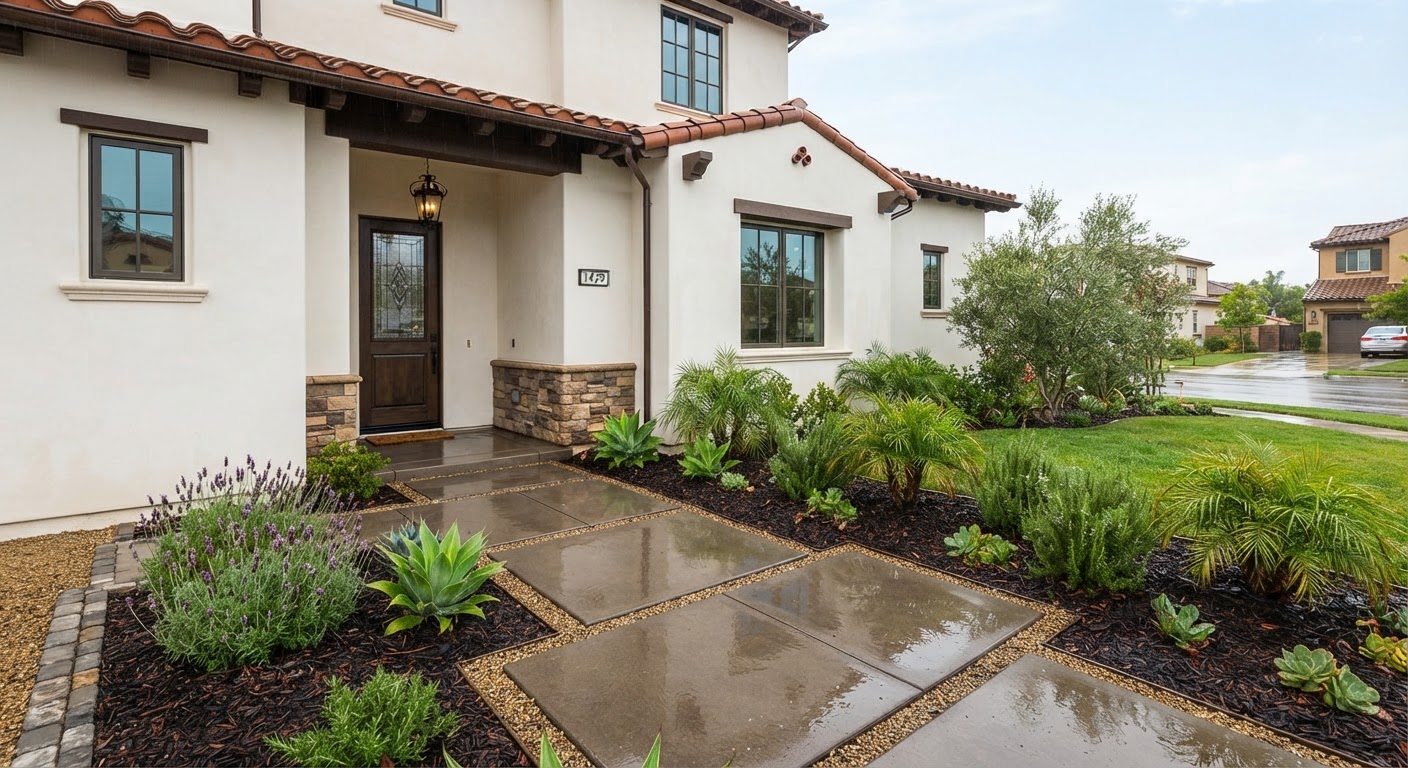
The Connection Between Sudden Weather Shifts and Pest Pressure
Southern California is famous for its temperate climate, but local homeowners know that the region frequently experiences severe microclimate swings. Prolonged summer heatwaves and dry Santa Ana winds can desiccate the soil within days. Conversely, winter atmospheric rivers can dump inches of rain across Los Angeles within hours, saturating drought-hardened ground and creating rapid runoff.
These sharp meteorological transitions do not merely affect local roadways and gardens; they severely disrupt the natural habitats of insects, arachnids, and rodents. When outdoor conditions become uninhabitable due to drowning water tables or life-threatening dehydration, pests seek immediate refuge. Your home offers shelter, regulated temperatures, and reliable water sources, making it the primary destination for displaced wildlife.
When Heavy Rains Flood the Ground
Because the Los Angeles basin often experiences long dry spells, the soil frequently becomes compacted and hydrophobic. When heavy winter storms arrive, water cannot absorb quickly into the earth. Subterranean tunnels, mulch beds, and underground root systems flood almost instantly, triggering mass evacuations among species that typically remain hidden outdoors.
Ant Colony Relocation
Argentine ants build extensive, shallow network nests in garden beds, beneath paving stones, and alongside concrete foundations. When winter storms flood these nesting chambers, the entire colony mobilizes to save the queens and brood. Homeowners often notice thick, fast-moving trails of ants suddenly ascending stucco walls, traveling along utility lines, and entering homes through weeping screeds, window gaps, and sliding door tracks within hours of rainfall beginning.
Subterranean Termite Swarms
Subterranean termites depend on high moisture levels to survive, living deep beneath the soil line. However, the combination of soaking rains followed by a warm, sunny afternoon provides the exact environmental cue winged reproductive termites (alates) require to emerge. These swarms leave underground colonies to mate and establish new nests, frequently landing on exterior siding, subfloor vents, and perimeter foundations where moisture has accumulated.
Surging Rodent Activity
Rats and mice living in street storm drains, arroyos, and dense hillside groundcover are quickly displaced when water levels rise. Roof rats and house mice seek elevated ground to avoid drowning. Tree canopies that brush against rooflines provide an immediate, dry bridge into warm residential attics, crawlspaces, and wall cavities.
The Impact of Extreme Heat and Dry Santa Ana Winds
At the opposite end of the spectrum, extreme summer temperatures and dry easterly winds create severe moisture deficits across the landscape. As natural puddles dry up and vegetation withers, pests face deadly dehydration, driving them indoors in search of moisture rather than shelter from water.
Plumbing-Seeking Ants
During triple-digit heatwaves, exterior ant colonies do not abandon their nests because of flooding; they invade homes to find water. They follow the subtle temperature drops and humidity gradients around kitchens, bathrooms, laundry rooms, and refrigerator drip pans. Even immaculate homes with no food debris left out can suffer intense ant trails during heatwaves simply because pests are tapping into indoor plumbing condensation.
Crawlspace Invasions by Rodents
Rats require a consistent daily water source to survive. When natural creeks and irrigation systems dry out in summer, rodents move closer to building perimeters. They target air conditioning condensation drain lines, pet water bowls left on patios, and moisture pockets beneath house foundations. Once rodents locate water near the foundation, finding an opening to enter crawlspaces or insulation is a natural progression.
Cockroaches and Occasional Invaders
Species such as American cockroaches and Oriental cockroaches thrive in cool, damp environments like municipal sewer systems, water meter boxes, and dense mulch. When extreme heat raises temperatures in underground utility lines, these insects migrate upward. They enter homes through drain traps that have dried out, gaps beneath exterior doors, and garage thresholds, seeking dark, climate-controlled retreats.
Identifying High-Risk Structural Entry Points
Pest displacement occurs rapidly, but invaders cannot enter a structure unless physical pathways exist. Southern California architectural styles—featuring crawlspaces, clay tile eaves, and exterior stucco finishes—present specific vulnerabilities that pests exploit during weather shifts.
- Foundation Weep Screeds: Stucco walls feature weep screeds at the base to allow moisture to escape. If soil, mulch, or concrete patios cover these screeds, ants and rodents have direct access behind the exterior finish.
- Crawlspace and Attic Vents: Standard quarter-inch hardware mesh keeps out large wildlife, but damaged screens or gaps around vent frames allow mice and larger insects easy entry when escaping exterior elements.
- Roof Overhangs and Tile Intersections: Spanish tile roofs have curved openings along the gutters and ridge caps. Displaced roof rats navigating wet trees readily slip into these openings to access attic insulation.
- Plumbing and Utility Penetrations: Cable lines, air conditioning conduits, and gas pipes entering the structure often leave unsealed annular spaces that serve as expressways for displaced pests.
Actionable Prevention for Property Owners
Managing weather-displaced pests requires a combination of exterior exclusion and environmental modification. By making your property less hospitable and sealing vulnerable access points, you can minimize the risk of sudden interior infestations during extreme weather events.
Proactive Exterior Drainage
Directing water away from your foundation prevents soil saturation that forces subterranean pests to move. Ensure downspouts discharge water at least five feet away from the structure. Regularly clear gutters of leaf debris so rainwater drains properly rather than spilling over eaves and soaking exterior walls.
Landscape Buffer Zones
Maintain a clear separation between landscaping and exterior walls. Prune tree limbs and large shrubs at least three to six feet away from your roof and siding to eliminate dry bridges for rodents during heavy rain. Replace thick wood mulch directly against the foundation with crushed stone or gravel, which dries quickly and provides poor harborage for ants and roaches.
Structural Exclusion
Inspect the home perimeter twice a year, ideally in late spring before heat peaks and in late autumn before rainstorms begin. Seal openings around pipes and wires using copper mesh and silicone or polyurethane caulk. Check door sweeps on exterior entries and garage doors to ensure light does not show beneath them when closed.
Indoor Moisture Reduction
Repair leaking hose bibs, dripping sink drains, and running toilets promptly. In crawlspaces and basements, check that ventilation is unobstructed to prevent persistent dampness that attracts pests escaping exterior heat. If floor drains are rarely used, periodically pour water down them to ensure the P-traps remain filled, blocking sewer pests from climbing up.
Protecting Your Home Through Seasonal Transitions
Because weather swings trigger sudden and aggressive pest movements, reactive measures like retail sprays often fail; these surface sprays can fragment colonies or scatter invaders deeper into structural voids. Implementing a resilient barrier and maintaining structural defenses before weather extremes hit is the most effective way to keep your living space protected year-round.
If recent heat or heavy storms have driven pests toward your property, the team at Morrow Pine Pest Control can help. We provide targeted residential pest control, comprehensive rodent exclusions, and thorough termite inspections across Los Angeles. Contact us today to assess your property's perimeter and establish dependable protection against weather-driven pest displacement.
Need help from Morrow Pine Pest Control?
Contact our team to discuss your service needs in Los Angeles and surrounding service areas.